If you’ve been on a quest for brighter, smoother, and clearer skin, chances are you’ve stumbled upon the term “Glycolic Facial Cleanser.” It’s a true superstar in the world of skincare, celebrated for its ability to transform complexions. But what exactly is this powerhouse ingredient, and how can you harness its magic to achieve your best skin ever? As your trusted skincare expert from ATNGS, I’m here to guide you through everything you need to know about integrating a glycolic facial cleanser into your routine, helping you navigate ingredients, usage, and common pitfalls with confidence.
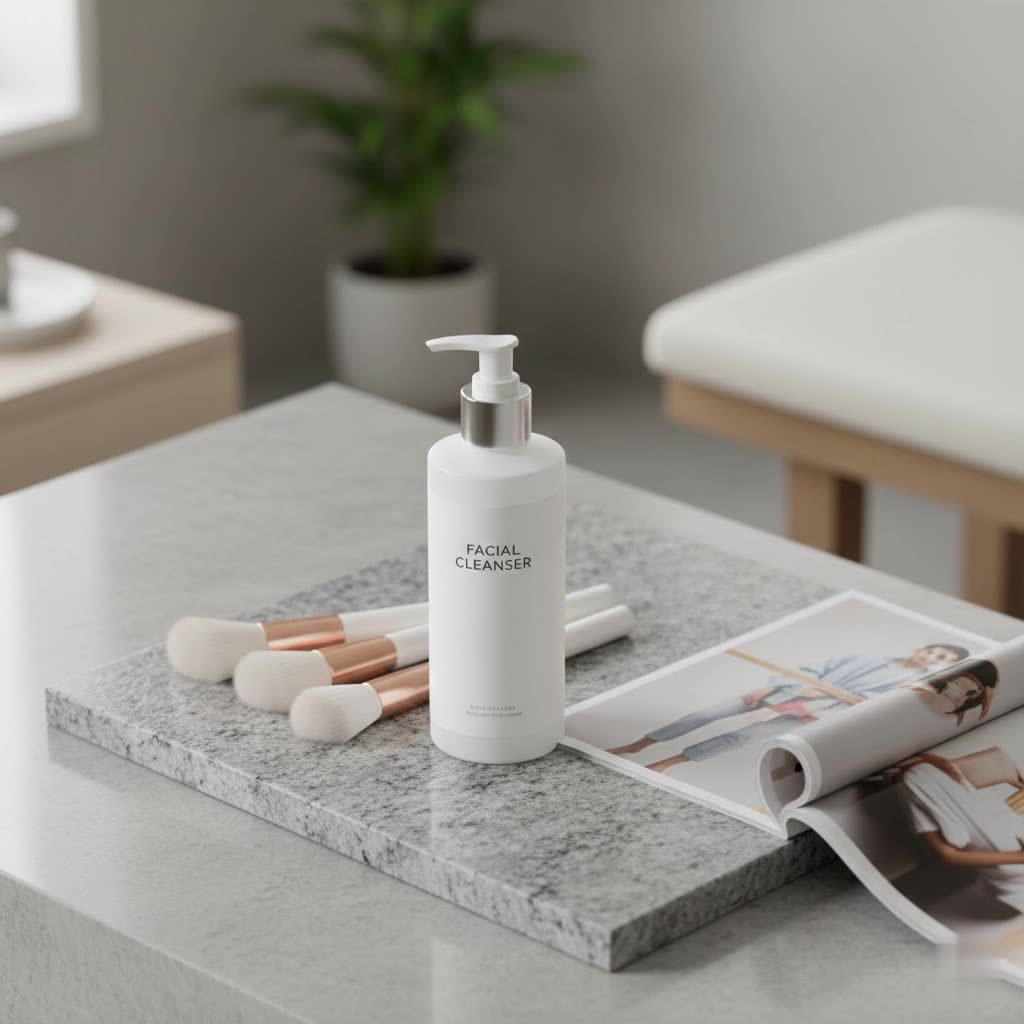
What Exactly is a Glycolic Facial Cleanser?
At its core, a glycolic facial cleanser is a face wash infused with glycolic acid, a prominent member of the Alpha Hydroxy Acid (AHA) family. Derived naturally from sugarcane, glycolic acid is known for its tiny molecular size, which allows it to penetrate the skin efficiently and effectively. Unlike physical exfoliants that use scrubs or beads, a glycolic cleanser offers a chemical exfoliation, working on a deeper level to rejuvenate your skin.
The Science Behind the Glow: How Glycolic Acid Works
|
Our Picks for the Best Facial Cleanser in 2026
As an Amazon Associate I earn from qualifying purchases.
|
||
| Num | Product | Action |
|---|---|---|
| 1 | medicube Facial Cleanser Zero Pore Capsule Cleansing Foam - Daily Gentle Cleanser for Skin Texture, Blackhead & Pore Care - AHA, BHA & PHA for Deep Cleansing - Korean Skincare, 4.23 oz |

|
| 2 | Cetaphil Face Wash, Daily Facial Cleanser for Sensitive, Combination to Oily Skin, 20 oz, Gentle Foaming, Soap Free, Hypoallergenic |
|
| 3 | Olay Face Wash, Daily Facial Cleanser with Retinol, Peptides & Glycerin - Smoothing, Noursihes Skin Surface, Hydrates while Cleansing - Sulfate-Free, Paraben-Free, 16 Oz |
|
| 4 | SkinSmart Antimicrobial Facial Cleanser for Breakouts & Blemishes; Hypochlorous Acid Formula Targets Bacteria to Reduce Skin Irritation and Flush Pores Clean, 8 oz Spray, All Ages & All Skin Types |
|
| 5 | Neutrogena Makeup Remover Wipes Micellar Alcohol-Free Face Towelettes Remove Waterproof Mascara & Oil, Compostable 100% Plant-Based Cloth, Dermatologist & Ophthalmologist Tested, Twin Pack 2 x 25 ct |
|
| 6 | Cetaphil Face Wash, Hydrating Gentle Skin Cleanser for Dry to Normal Sensitive Skin, 20 oz, Fragrance Free, Soap Free and Non-Foaming |
|
| 7 | Veea Face by Dr. Suzan Obagi - Hydrating Creme Cleanser - Ultra-Hydrating, Cleansing, Nourishing - Skin Barrier Support without Stripping or Drying the Skin (5 fl oz - 150 ml) |
|
| 8 | CeraVe Renewing Salicylic Acid Cleanser, Formulated With Hyaluronic Acid, Niacinamide, & Ceramides, Gentle BHA Exfoliating Face Wash Smooths & Softens Skin, Non Comedogenic & Fragrance Free, 16 Ounce |
|
| 9 | CeraVe Acne Treatment Face Wash, Salicylic Acid Cleanser with Purifying Clay, Niacinamide, and Ceramides, Pore Control and Blackhead Remover, 8 Ounce |
|
| 10 | CeraVe Renewing Salicylic Acid Cleanser, Formulated With Hyaluronic Acid, Niacinamide, & Ceramides, Gentle BHA Exfoliating Face Wash Smooths & Softens Skin, Non Comedogenic & Fragrance Free, 8 Ounce |
|
Think of your skin cells as tiny bricks held together by a kind of “mortar.” Over time, dead skin cells can accumulate on the surface, making your skin look dull, rough, and prone to breakouts. Glycolic acid works by dissolving this “mortar”—the bonds between these dead skin cells—allowing them to slough off gently and reveal the fresh, healthy skin underneath. This process, known as cell turnover, is significantly accelerated by glycolic acid, leading to a host of visible improvements. “Glycolic acid is like a gentle conductor for your skin, encouraging older cells to gracefully step aside so new, vibrant ones can shine through,” explains Dr. Lena Chen, a lead research dermatologist for ATNGS.
The Multi-Tasking Benefits for Your Skin
Incorporating a glycolic facial cleanser into your routine can unlock a treasure trove of benefits:
- Smoother Skin Texture: By consistently removing dead skin cells, glycolic acid refines your skin’s surface, making it feel incredibly soft and smooth. This also helps in reducing the appearance of rough patches.
- Brighter, More Even Skin Tone: It effectively targets and fades dark spots, sun damage, and post-inflammatory hyperpigmentation (those pesky marks left after a breakout), leading to a more uniform and radiant complexion.
- Reduced Fine Lines and Wrinkles: Glycolic acid stimulates collagen production, a vital protein responsible for skin’s firmness and elasticity. Regular use can help diminish the appearance of fine lines and contribute to a more youthful look.
- Clearer Pores and Fewer Breakouts: By preventing dead skin cells and excess oil from clogging pores, glycolic acid helps to prevent blackheads, whiteheads, and acne breakouts. For those with oily or acne-prone skin, it can be a game-changer.
- Enhanced Product Absorption: With fewer dead skin cells acting as a barrier, your serums, moisturizers, and other treatments can penetrate more deeply and work more effectively. It literally prepares your skin to get the most out of your entire regimen.
Choosing the Right Glycolic Cleanser for Your Unique Skin
Selecting the perfect glycolic facial cleanser isn’t a one-size-fits-all situation. It truly depends on your individual skin type and concerns. Understanding concentrations and complementary ingredients is key to a happy skin experience.
Decoding Concentrations: What’s Right for You?
Glycolic acid cleansers typically come in varying concentrations, usually ranging from 3% to 10% for at-home use.
- For Beginners or Sensitive Skin: Start with a lower concentration, typically around 3-5%. This allows your skin to gradually acclimate to the exfoliant without overwhelming it.
- For Experienced Users or Resilient Skin: If your skin has already built a tolerance, you might explore cleansers with 8-10% glycolic acid. However, remember that more isn’t always better; consistency and gentle application are often more impactful than high concentrations.
Best for Oily and Acne-Prone Skin
If you struggle with excess oil, shine, and frequent breakouts, a glycolic facial cleanser can be a powerful ally. It excels at keeping pores clear and reducing sebum production. Look for formulas that also include ingredients like salicylic acid (a BHA, great for oil control) or niacinamide, which can further help with pore appearance and calming inflammation. A gel or foaming texture often works well for these skin types, providing a satisfying clean without stripping.
Revitalizing Dull or Uneven Skin Tones
For those looking to boost radiance and tackle uneven tone or sun damage, glycolic acid’s exfoliating and brightening properties are ideal. Cleansers with additional antioxidants like Vitamin C can amplify brightening effects, while hydrating ingredients like glycerin ensure skin remains plump and dewy after cleansing.
Navigating Glycolic Cleansers with Sensitive or Dry Skin
Don’t dismiss glycolic acid just because you have sensitive or dry skin! Many formulations are designed to be gentle.
- Choose Lower Concentrations: Stick to 3-5% or even lower if available.
- Look for Hydrating Ingredients: Products enriched with hyaluronic acid, glycerin, ceramides, or allantoin can help counteract potential dryness and support your skin barrier.
- Cream or Milk Textures: These types of cleansers can be less stripping than foaming varieties.
- Patch Test: Always perform a patch test on a small, inconspicuous area of your skin before applying it to your entire face to check for any adverse reactions.
“Even sensitive skin can benefit from gentle chemical exfoliation,” advises Dr. Chen. “The key is to select a low concentration and ensure the formula includes soothing and hydrating compounds to maintain skin integrity.”
Mastering Your Routine: How to Use Glycolic Facial Cleanser Effectively
Proper application is crucial to maximizing benefits and minimizing potential side effects. Think of it as a ritual that respects your skin’s natural balance.
Step-by-Step Application for Optimal Results
- Wet Your Face: Begin by splashing your face with lukewarm water. This helps the cleanser spread more easily and ensures a gentle application.
- Dispense Product: Squeeze a small, pea-sized amount of cleanser into your palm.
- Gentle Massage: Apply the cleanser to your damp face, massaging it in gentle, circular motions for about 30 to 60 seconds. Focus on areas of concern, but avoid vigorous scrubbing. Remember, the glycolic acid is doing the work!
- Rinse Thoroughly: Rinse your face completely with lukewarm water, ensuring no residue remains. Pat your skin dry with a soft, clean towel.
- Follow with Hydration: Immediately follow up with a hydrating toner, serum, and a good moisturizer. Glycolic acid can be slightly drying, so replenishing moisture is essential to support your skin barrier.
The Golden Rule: Why Sunscreen is Non-Negotiable
This is perhaps the most critical piece of advice when using any AHA, including glycolic acid: ALWAYS wear broad-spectrum sunscreen with an SPF of 30 or higher, every single day. Glycolic acid exfoliates the top layer of dead skin cells, which inherently makes your skin more susceptible to sun damage. Skipping sunscreen can lead to sunburn, hyperpigmentation, and even premature aging, completely undoing all the good work your cleanser is doing. Apply it diligently, even on cloudy days, and reapply throughout the day if you’re outdoors.
Frequency and Listening to Your Skin
- Start Slow: If you’re new to glycolic acid, begin by using your cleanser 2-3 times a week, preferably in your evening routine. This allows your skin to adjust.
- Gradual Increase: If your skin tolerates it well without irritation, you can gradually increase frequency. Many people with normal or oily skin can eventually use a low-concentration glycolic cleanser daily.
- Evening Use is Best: Glycolic acid makes your skin more sensitive to the sun, so it’s generally recommended for nighttime use to allow it to work without immediate UV exposure.
- Listen to Your Skin: Pay close attention to how your skin feels. If you experience excessive redness, stinging, dryness, or peeling, scale back on usage or switch to a gentler product. Your skin’s signals are your best guide.
Common Mistakes to Avoid with Glycolic Facial Cleansers
Even with the best intentions, it’s easy to fall into common traps when introducing a powerful ingredient like glycolic acid. Avoiding these pitfalls will ensure a smoother, more beneficial experience.
The Perils of Over-Exfoliation
This is the number one mistake I see. Using too much glycolic acid, too frequently, or in too high a concentration can lead to:
- Compromised Skin Barrier: Your skin’s protective barrier can become damaged, making it vulnerable to environmental stressors, moisture loss, and increased sensitivity.
- Redness and Irritation: Persistent stinging, burning, or a perpetually red complexion are clear signs of over-exfoliation.
- Dryness and Flakiness: Paradoxically, over-exfoliation can lead to extreme dryness and peeling as your skin struggles to retain moisture.
Remember, a little goes a long way. Patience and consistency are far more effective than aggressive exfoliation.
Ingredient Clashes: What Not to Mix
While glycolic acid plays well with many ingredients, certain combinations can lead to irritation or render products ineffective. Be cautious when pairing glycolic acid with:
- High-Strength Retinoids: Both are powerful exfoliants and can cause over-exfoliation when used together. If you use both, consider alternating them on different nights.
- Other Strong AHAs/BHAs: Layering a glycolic cleanser with another strong salicylic acid toner or lactic acid serum might be too much for your skin.
- Benzoyl Peroxide: This acne-fighting ingredient can be very drying, and combining it with glycolic acid can exacerbate dryness and irritation.
- Vitamin C (Ascorbic Acid): While both are fantastic for brightening, they work best at different pH levels. If used simultaneously, one might deactivate the other, or cause irritation. Consider using Vitamin C in the morning and your glycolic cleanser at night.
- Peptides: Some experts suggest avoiding peptides with strong acids as it might reduce their efficacy due to pH differences.
Always introduce new active ingredients one at a time and observe your skin’s reaction.
Recognizing and Responding to Skin Signals
A slight tingling sensation when first using a glycolic cleanser is generally normal. However, you should never experience intense burning, prolonged redness, significant swelling, or blistering. These are signs of a strong adverse reaction. If you experience these, stop using the product immediately, rinse your face thoroughly, and consult a dermatologist. Your skin will thank you for being attentive!
Frequently Asked Questions About Glycolic Facial Cleansers
We’ve covered a lot, but here are some quick answers to common questions about glycolic facial cleansers:
Q: Can I use a glycolic facial cleanser every day?
A: You can, but it depends on your skin’s tolerance and the product’s concentration. Beginners should start 2-3 times per week and gradually increase if their skin responds well without irritation. Always listen to your skin!
Q: Will glycolic acid make my skin purge?
A: Yes, “purging” is a common initial side effect. As glycolic acid accelerates cell turnover and clears clogged pores, underlying breakouts may surface more quickly. This usually subsides within 4-6 weeks and is a sign the product is working.
Q: What percentage of glycolic acid is best for beginners?
A: For beginners, a glycolic facial cleanser with a concentration of 3-5% is generally recommended. This allows your skin to adapt to the acid gently.
Q: Can I use glycolic acid with Vitamin C or Retinol?
A: You can, but it requires careful timing. It’s best to alternate: use Vitamin C in the morning and your glycolic cleanser at night. For retinol, alternate nights of use to prevent over-exfoliation and irritation.
Q: How long does it take to see results?
A: While some immediate smoothness and brightness may be noticeable, significant improvements in texture, tone, and fine lines typically take 4-6 weeks of consistent use. Patience is key!
Embrace the Glow with a Glycolic Facial Cleanser
The journey to radiant, healthy-looking skin is an exciting one, and a glycolic facial cleanser can be a powerful tool in your arsenal. By understanding how this remarkable ingredient works, choosing the right product for your skin type, and committing to proper usage and precautions—especially daily sun protection—you’ll be well on your way to achieving a complexion that truly glows. At ATNGS, we believe in empowering you with the knowledge to make informed skincare choices. So, take the plunge, embrace the exfoliating power of glycolic acid, and unveil your skin’s most vibrant self!
