Ever feel that tight, dry sensation after washing your face? That “squeaky clean” feeling might actually be a red flag, indicating your cleanser is stripping away essential moisture. It’s time to introduce yourself to the wonder of a Hydrating Facial Cleanser – a true game-changer in achieving a healthy, balanced, and radiant complexion. At ATNGS, we believe in smart skincare, and understanding your cleanser is the first step towards loving your skin.
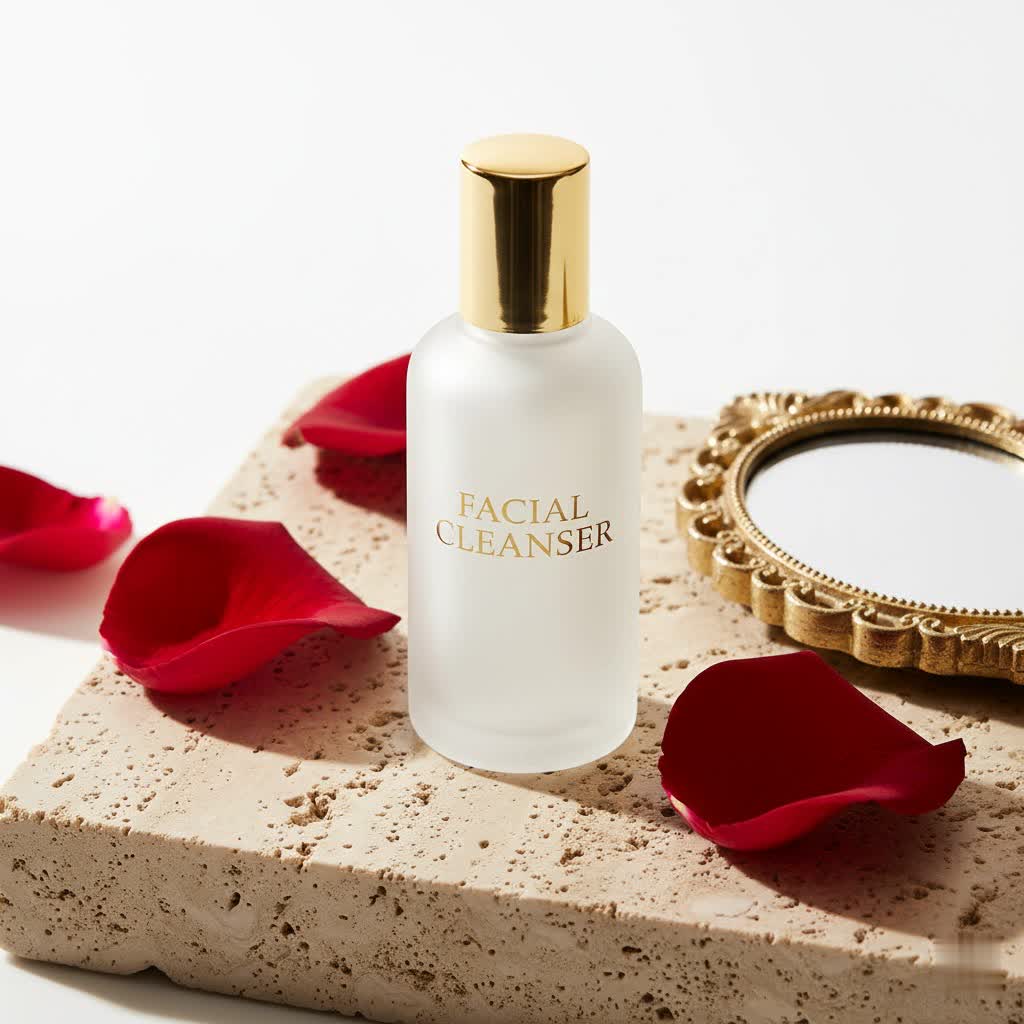
What Makes a Hydrating Facial Cleanser Different?
Unlike many traditional cleansers that can leave your skin feeling parched and uncomfortable, a hydrating facial cleanser is specifically formulated to clean effectively while simultaneously infusing your skin with much-needed moisture. Think of it as a gentle embrace for your face, washing away impurities, makeup, and daily grime without disrupting your skin’s delicate natural barrier. This means no more tightness, just soft, smooth, and refreshed skin that feels cared for.
These clever cleansers often boast a pH-balanced formula, working in harmony with your skin’s natural acidity to prevent over-drying or irritation. They ditch harsh sulfates and detergents, opting for gentle surfactants that get the job done without compromising your skin’s integrity. The result? Improved skin texture, a plumper appearance, and a reduction in redness or irritation, making your skincare routine feel less like a chore and more like a treat.
Star Ingredients in Your Hydrating Cleanser
The magic behind a fantastic hydrating facial cleanser lies in its carefully selected ingredients. These powerhouses work together to attract, bind, and seal moisture into your skin, even as you cleanse.
Hyaluronic Acid: The Ultimate Moisture Magnet
|
Our Picks for the Best Facial Cleanser in 2026
As an Amazon Associate I earn from qualifying purchases.
|
||
| Num | Product | Action |
|---|---|---|
| 1 | Neutrogena Makeup Remover Wipes Micellar Alcohol-Free Face Towelettes Remove Waterproof Mascara & Oil, Compostable 100% Plant-Based Cloth, Dermatologist & Ophthalmologist Tested, Twin Pack 2 x 25 ct |

|
| 2 | CeraVe Renewing Salicylic Acid Cleanser, Formulated With Hyaluronic Acid, Niacinamide, & Ceramides, Gentle BHA Exfoliating Face Wash Smooths & Softens Skin, Non Comedogenic & Fragrance Free, 16 Ounce |
|
| 3 | Cetaphil Face Wash, Hydrating Gentle Skin Cleanser for Dry to Normal Sensitive Skin, 20 oz, Fragrance Free, Soap Free and Non-Foaming |
|
| 4 | SkinSmart Antimicrobial Facial Cleanser for Breakouts & Blemishes; Hypochlorous Acid Formula Targets Bacteria to Reduce Skin Irritation and Flush Pores Clean, 8 oz Spray, All Ages & All Skin Types |
|
| 5 | Olay Face Wash, Daily Facial Cleanser with Retinol, Peptides & Glycerin - Smoothing, Noursihes Skin Surface, Hydrates while Cleansing - Sulfate-Free, Paraben-Free, 16 Oz |
|
| 6 | medicube Facial Cleanser Zero Pore Capsule Cleansing Foam - Daily Gentle Cleanser for Skin Texture, Blackhead & Pore Care - AHA, BHA & PHA for Deep Cleansing - Korean Skincare, 4.23 oz |
|
| 7 | Cetaphil Face Wash, Daily Facial Cleanser for Sensitive, Combination to Oily Skin, 20 oz, Gentle Foaming, Soap Free, Hypoallergenic |
|
| 8 | CeraVe Renewing Salicylic Acid Cleanser, Formulated With Hyaluronic Acid, Niacinamide, & Ceramides, Gentle BHA Exfoliating Face Wash Smooths & Softens Skin, Non Comedogenic & Fragrance Free, 8 Ounce |
|
| 9 | CeraVe Acne Treatment Face Wash, Salicylic Acid Cleanser with Purifying Clay, Niacinamide, and Ceramides, Pore Control and Blackhead Remover, 8 Ounce |
|
| 10 | Veea Face by Dr. Suzan Obagi - Hydrating Creme Cleanser - Ultra-Hydrating, Cleansing, Nourishing - Skin Barrier Support without Stripping or Drying the Skin (5 fl oz - 150 ml) |
|
You’ve probably heard of hyaluronic acid, and for good reason! This superstar humectant can hold up to 1,000 times its weight in water, drawing moisture from the environment into your skin. In a hydrating facial cleanser, hyaluronic acid provides an immediate boost of hydration, leaving your skin feeling plump and dewy, and can even help to visibly reduce the appearance of fine lines by plumping the skin’s surface.
Ceramides: Your Skin’s Protective Shield
Ceramides are naturally occurring lipids crucial for maintaining your skin’s protective barrier. They act like the “mortar” between your skin cells, preventing moisture loss and shielding against environmental aggressors. A hydrating facial cleanser enriched with ceramides helps to restore and fortify this vital barrier, ensuring your skin remains resilient and hydrated long after you rinse.
Glycerin & Other Humectants: Drawing Moisture In
Glycerin is another incredible humectant, renowned for its ability to attract and retain moisture. You’ll often find it alongside other beneficial humectants in high-quality hydrating cleansers. These ingredients work synergistically to keep your skin supple, soft, and smooth, ensuring that cleansing doesn’t equate to dryness.
Soothing Botanicals: Calming and Nourishing
Many hydrating facial cleanser formulas also incorporate soothing botanical extracts like aloe vera or jojoba oil. Aloe vera offers calming and moisturizing properties, making it ideal for soothing irritated skin. Jojoba oil, rich in antioxidants and fatty acids, helps skin retain moisture and leaves it feeling nourished. These natural additions enhance the overall soothing and skin-loving experience.
“A truly effective hydrating facial cleanser isn’t just about what it removes; it’s about what it leaves behind: a healthy, intact moisture barrier ready to absorb the next steps in your routine,” notes Dr. Anya Sharma, a renowned dermatologist and skincare expert.
Choosing the Right Hydrating Facial Cleanser for Your Skin Type
One of the beautiful things about a hydrating facial cleanser is its versatility. While particularly beneficial for dry and sensitive skin, there’s a hydrating option for virtually everyone.
Dry & Dehydrated Skin: Creamy Comfort
If your skin leans towards dry or dehydrated, characterized by flakiness, tightness, or a dull complexion, a creamy or oil-based hydrating facial cleanser is your best friend. Look for formulas rich in hyaluronic acid, ceramides, glycerin, and nourishing emollients like shea butter. These cleansers gently cleanse while replenishing lipids and locking in moisture, preventing that uncomfortable post-wash dryness. Avoid anything labeled “oil control” or “deep cleansing,” as these can strip away precious moisture.
Oily & Acne-Prone Skin: Balanced Cleansing
It might seem counterintuitive, but oily and acne-prone skin absolutely benefits from a hydrating facial cleanser. Stripping oily skin with harsh cleansers can actually trigger your sebaceous glands to produce even more oil to compensate. A gentle, gel or low-foam hydrating cleanser helps to control excess oil without over-drying. Look for formulations that might include mild exfoliants like salicylic acid to keep pores clear, alongside hydrating ingredients to maintain balance. This approach ensures your skin is clean, calm, and less prone to overproduction of sebum.
Combination Skin: Harmonizing Your Complexion
If your skin is a mix of oily T-zone and drier cheeks, a balanced, gentle foaming hydrating facial cleanser is ideal. These formulas are designed to effectively manage oil in certain areas while providing essential hydration to others, leaving your entire face feeling harmonious and refreshed without any tight spots.
Sensitive Skin: Gentle Care is Key
For sensitive skin, a hydrating facial cleanser is often the safest bet. Opt for fragrance-free, mild, and non-foaming formulas with soothing ingredients like aloe vera, chamomile, niacinamide, or ceramides. The goal is to cleanse without triggering irritation, redness, or discomfort. Always patch-test new products if you have highly reactive skin.
Your Step-by-Step Guide to Using a Hydrating Facial Cleanser
Using your hydrating facial cleanser correctly is just as important as choosing the right one. Here’s how to maximize its benefits:
- Start with Clean Hands: Before anything touches your face, wash your hands thoroughly with soap. You don’t want to transfer dirt and bacteria from your hands onto your clean skin.
- Dampen Your Face: Splash your face with lukewarm water. Your skin should be damp, not soaking wet, to help the cleanser spread evenly and activate its hydrating properties. Avoid hot water, as it can strip your skin’s natural oils.
- Apply the Right Amount: Dispense a nickel-sized amount (approximately 0.5ml) of your hydrating facial cleanser into your palm. Remember, a little goes a long way, and too much product can leave a residue.
- Gently Massage: Rub the cleanser between your palms to warm it slightly, then apply it to your face and neck. Using gentle, circular, upward, and outward motions, massage the cleanser into your skin for about 30 to 60 seconds. Don’t scrub vigorously; let the product do the work.
- Rinse Thoroughly: Rinse your entire face with lukewarm water until all traces of the cleanser are gone. Ensure no residue is left behind, as this can lead to clogged pores or irritation.
- Pat Dry Gently: Use a soft, clean towel to gently pat your face dry. Avoid rubbing, which can irritate your skin. Ideally, leave your skin slightly damp; this helps it better absorb the next steps in your skincare routine.
- Follow Up Immediately: The key to locking in hydration is to apply your serum and moisturizer immediately after cleansing, while your skin is still a little damp. This creates a powerful seal, trapping moisture within your skin.
For best results, incorporate your hydrating facial cleanser into your routine twice daily – once in the morning to refresh your skin and remove overnight impurities, and once at night to cleanse away makeup, sunscreen, and daily pollutants.
Common Cleansing Mistakes to Avoid
Even with the best intentions, it’s easy to fall into bad cleansing habits that can undermine your skincare goals. Here are a few common pitfalls to steer clear of:
- Using Water That’s Too Hot: While a steaming hot shower feels great, hot water can strip your skin of its natural oils, leading to dryness and irritation. Stick to lukewarm water for facial cleansing.
- Aggressive Scrubbing: Your skin is delicate! Harsh scrubbing or using abrasive tools can damage your skin barrier, causing redness, inflammation, and even premature aging. Be gentle, always.
- Skipping Post-Cleanse Moisture: Cleansing, even with a hydrating product, can still leave your skin vulnerable to moisture loss. Always follow up with your serum and moisturizer immediately to seal in hydration and protect your skin barrier.
- Using the Wrong Product for Your Skin Type: As discussed, a “one-size-fits-all” approach rarely works. Tailor your hydrating facial cleanser choice to your specific skin needs.
- Not Washing Hands First: This simple oversight can transfer bacteria and dirt from your hands directly to your face, undoing all the good your cleanser aims to achieve. Make it a habit!
- Over-Cleansing: Washing your face too often (more than twice a day for most) can strip natural oils, leading to dryness or, paradoxically, increased oil production as your skin tries to compensate.
Frequently Asked Questions About Hydrating Cleansers
Q: Can oily skin benefit from a hydrating cleanser?
A: Absolutely! Many people with oily skin make the mistake of using harsh, stripping cleansers, which can actually signal the skin to produce more oil. A hydrating facial cleanser helps balance oil production by maintaining skin’s moisture, preventing that rebound oiliness. Look for gel-based hydrating formulas with ingredients like niacinamide.
Q: How often should I use a hydrating facial cleanser?
A: For most skin types, using a hydrating facial cleanser twice daily – once in the morning and once at night – is ideal. This ensures your skin is clean and refreshed without being over-stripped. If you have extremely sensitive skin, you might start with once daily at night and gradually increase.
Q: Can a hydrating cleanser remove makeup?
A: Yes, many hydrating facial cleanser formulas are effective at removing light makeup and water-soluble sunscreens. For heavier or waterproof makeup, you might consider a double cleanse, starting with an oil-based cleanser or micellar water before following up with your hydrating cleanser.
Q: What’s the ideal water temperature for washing my face?
A: Lukewarm water is always best. Water that’s too hot can strip your skin of its natural oils and dilate capillaries, while water that’s too cold can be less effective at dissolving impurities. Lukewarm water provides the perfect balance for effective yet gentle cleansing.
Q: Will a hydrating cleanser make my skin feel greasy?
A: Not if you choose the right one for your skin type! A good hydrating facial cleanser is designed to leave your skin feeling soft and moisturized, not greasy or heavy. Formulas for oily or combination skin will be lighter, often gel-based, to provide hydration without any oily residue.
Embrace Your Best Skin with a Hydrating Facial Cleanser
Taking care of your skin starts with the basics, and choosing the right cleanser is foundational. A hydrating facial cleanser is more than just a cleaning agent; it’s a vital step in nurturing your skin’s health, preserving its natural barrier, and ensuring it feels comfortable and looks radiant. By embracing these gentle yet powerful formulas, you’re setting the stage for a skincare routine that truly delivers. Here at ATNGS, we’re dedicated to helping you make informed choices, so you can confidently achieve the healthy, glowing skin you deserve. Share your hydrating cleanser journey with us – your skin will thank you!
