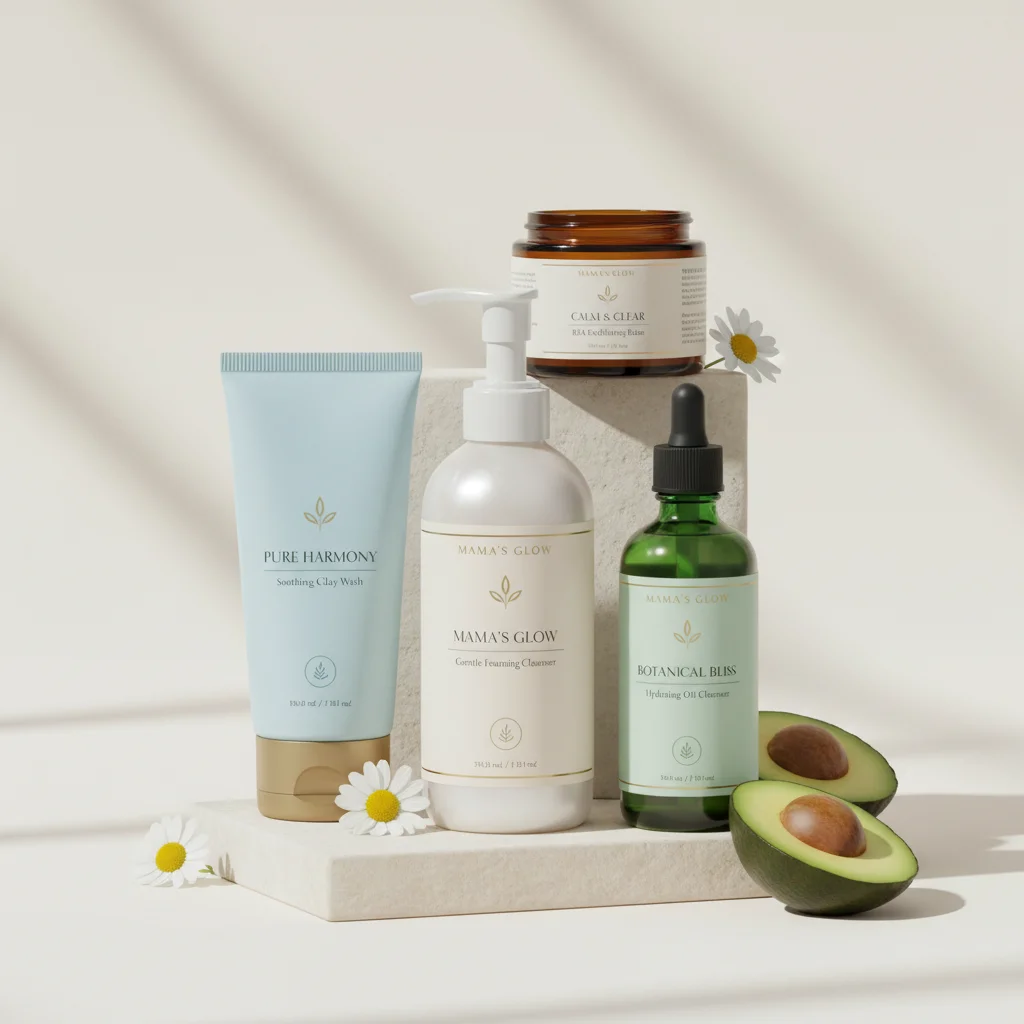
Most facial cleansers are safe to use during pregnancy, provided they do not contain specific ingredients like high concentrations of salicylic acid or retinoids. Navigating skincare during pregnancy can feel like a minefield of do’s and don’ts, but maintaining a consistent cleansing routine is often beneficial for managing hormonal skin changes. This guide will help you identify safe options and ingredients to avoid, ensuring your skin remains healthy without compromising your pregnancy.
Understanding Ingredient Safety During Pregnancy
Pregnancy brings about significant hormonal shifts that can affect your skin, leading to increased oiliness, dryness, or sensitivity. While many over-the-counter facial cleansers are generally safe, it’s crucial to scrutinize ingredient lists. According to dermatology guidance, certain ingredients are best avoided due to potential risks. These include high-dose salicylic acid (above 2%), retinoids (like retinol, tretinoin, and adapalene), and some essential oils in concentrated forms. Always opt for products with simpler formulations and fewer active ingredients when in doubt. Consulting with your healthcare provider or a dermatologist is always recommended for personalized advice.
Safe Facial Cleanser Ingredients for Expectant Mothers
When selecting a facial cleanser during pregnancy, focus on gentle, hydrating, and soothing ingredients. Lactic acid and glycolic acid, in concentrations typically found in over-the-counter cleansers, are generally considered safe alternatives to salicylic acid for exfoliation. Hyaluronic acid is excellent for hydration, while ceramides help maintain the skin’s barrier function. Glycerin, panthenol, and niacinamide are also beneficial for their moisturizing and calming properties. Look for cleansers labeled “fragrance-free” or “hypoallergenic” to minimize the risk of irritation, especially if your skin has become more sensitive during pregnancy.These ingredients support skin health without posing known risks to pregnancy.
Ingredients to Avoid in Facial Cleansers
|
Our Picks for the Best Facial Cleanser in 2026
As an Amazon Associate I earn from qualifying purchases.
|
||
| Num | Product | Action |
|---|---|---|
| 1 | Olay Face Wash, Daily Facial Cleanser with Retinol, Peptides & Glycerin - Smoothing, Noursihes Skin Surface, Hydrates while Cleansing - Sulfate-Free, Paraben-Free, 16 Oz |

|
| 2 | Neutrogena Makeup Remover Wipes Micellar Alcohol-Free Face Towelettes Remove Waterproof Mascara & Oil, Compostable 100% Plant-Based Cloth, Dermatologist & Ophthalmologist Tested, Twin Pack 2 x 25 ct |
|
| 3 | Cetaphil Face Wash, Hydrating Gentle Skin Cleanser for Dry to Normal Sensitive Skin, 20 oz, Fragrance Free, Soap Free and Non-Foaming |
|
| 4 | Cetaphil Face Wash, Daily Facial Cleanser for Sensitive, Combination to Oily Skin, 20 oz, Gentle Foaming, Soap Free, Hypoallergenic |
|
| 5 | Veea Face by Dr. Suzan Obagi - Hydrating Creme Cleanser - Ultra-Hydrating, Cleansing, Nourishing - Skin Barrier Support without Stripping or Drying the Skin (5 fl oz - 150 ml) |
|
| 6 | SkinSmart Antimicrobial Facial Cleanser for Breakouts & Blemishes; Hypochlorous Acid Formula Targets Bacteria to Reduce Skin Irritation and Flush Pores Clean, 8 oz Spray, All Ages & All Skin Types |
|
| 7 | CeraVe Acne Treatment Face Wash, Salicylic Acid Cleanser with Purifying Clay, Niacinamide, and Ceramides, Pore Control and Blackhead Remover, 8 Ounce |
|
| 8 | CeraVe Renewing Salicylic Acid Cleanser, Formulated With Hyaluronic Acid, Niacinamide, & Ceramides, Gentle BHA Exfoliating Face Wash Smooths & Softens Skin, Non Comedogenic & Fragrance Free, 16 Ounce |
|
| 9 | CeraVe Renewing Salicylic Acid Cleanser, Formulated With Hyaluronic Acid, Niacinamide, & Ceramides, Gentle BHA Exfoliating Face Wash Smooths & Softens Skin, Non Comedogenic & Fragrance Free, 8 Ounce |
|
| 10 | medicube Facial Cleanser Zero Pore Capsule Cleansing Foam - Daily Gentle Cleanser for Skin Texture, Blackhead & Pore Care - AHA, BHA & PHA for Deep Cleansing - Korean Skincare, 4.23 oz |
|
While the list of truly harmful ingredients is relatively short, it’s important to be aware of them. High concentrations of salicylic acid (often found in acne treatments) should be avoided, though small amounts in wash-off products are generally considered low risk. Retinoids, including all forms of Vitamin A derivatives, are contraindicated during pregnancy due to their potential to cause birth defects. Phthalates and parabens are also often recommended to be avoided, though the evidence regarding their impact on pregnancy is still being studied. Always check for these ingredients and choose alternatives to ensure peace of mind. Some studies suggest a cautious approach to benzoyl peroxide, limiting its use to small areas and lower concentrations.
Tips for a Pregnancy-Safe Cleansing Routine
Establishing a gentle yet effective cleansing routine is key. Cleanse your face twice daily, in the morning and before bed, using lukewarm water. Avoid harsh scrubbing or very hot water, which can strip your skin of its natural oils and exacerbate sensitivity. After cleansing, gently pat your skin dry with a clean towel. Follow up with a pregnancy-safe moisturizer to lock in hydration. If you’re experiencing new skin concerns like melasma or severe acne, discuss these with your dermatologist, who can recommend targeted treatments that are safe for use during pregnancy. Remember, consistency is more important than aggressive treatments during this time.
When to Consult a Dermatologist
While this guide provides general information, every pregnancy and skin type is unique. If you have pre-existing skin conditions, develop new or worsening issues during pregnancy, or are simply unsure about a particular product, it’s always best to consult a dermatologist. They can provide tailored recommendations based on your specific needs and medical history, ensuring both your skin health and your baby’s safety. They can also help differentiate between normal pregnancy-related skin changes and conditions that might require medical intervention. Regular check-ups with your healthcare provider should also include discussions about any skincare concerns you may have.
Build a cleanser routine that actually works
Practical specs, not advice. Unsubscribe anytime.