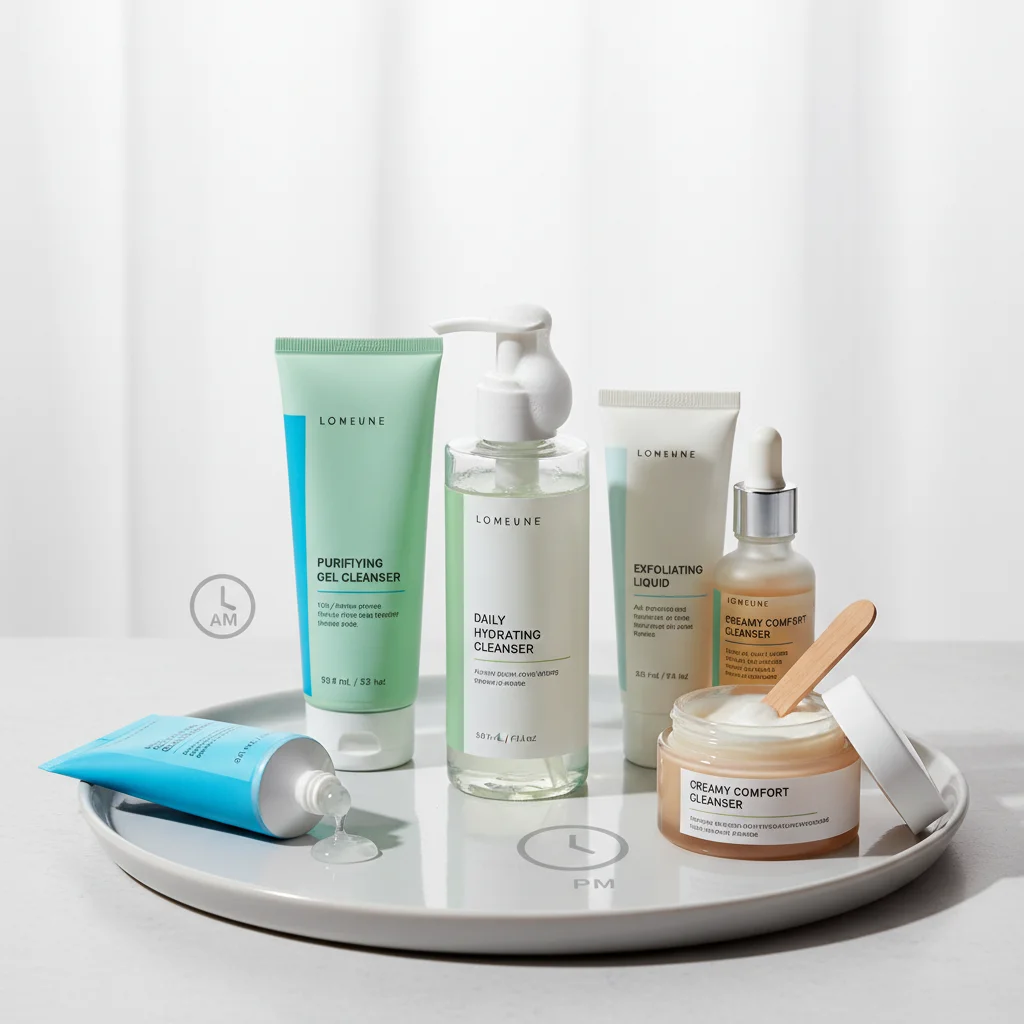
For most individuals, using a facial cleanser twice daily, once in the morning and once in the evening, is the optimal frequency for maintaining healthy skin. This routine effectively removes impurities, excess oil, and makeup without over-stripping the skin’s natural moisture barrier. Consistent cleansing helps prevent clogged pores, breakouts, and dullness, creating a clean canvas for subsequent skincare products. According to dermatology guidance, this twice-daily approach balances thorough cleansing with the need to protect the skin’s delicate microbiome. It’s a foundational step in any effective skincare regimen, ensuring that the skin remains balanced and receptive to treatments and moisturizers.
Understanding Your Skin Type and Cleansing Needs
The ideal cleansing frequency can be subtly influenced by your specific skin type. Those with oily or acne-prone skin may find the twice-daily routine essential for managing sebum production and preventing breakouts. Conversely, individuals with very dry or sensitive skin might benefit from a gentler approach, potentially cleansing only once a day in the evening and simply rinsing with water in the morning. Listening to your skin’s response is crucial; if you experience dryness, tightness, or irritation, you might be over-cleansing or using a cleanser that’s too harsh. Adjusting your frequency or switching to a milder formula can make a significant difference. For best facial cleansers roundups on this site.
The Importance of Morning Cleansing
While many focus on evening cleansing to remove the day’s grime, morning cleansing is equally important. Overnight, your skin undergoes regeneration, which can lead to the accumulation of dead skin cells, excess oil, and sweat. A gentle morning cleanse removes these overnight accumulations, preparing your skin for the day ahead and allowing your daytime serums and moisturizers to penetrate more effectively. It also provides a refreshing start, waking up your complexion and creating a smooth base for makeup application, if applicable. Skipping morning cleansing can leave a film on the skin, potentially hindering product absorption and contributing to a dull appearance.
The Critical Role of Evening Cleansing
|
Our Picks for the Best Facial Cleanser in 2026
As an Amazon Associate I earn from qualifying purchases.
|
||
| Num | Product | Action |
|---|---|---|
| 1 | Cetaphil Face Wash, Daily Facial Cleanser for Sensitive, Combination to Oily Skin, 20 oz, Gentle Foaming, Soap Free, Hypoallergenic |

|
| 2 | Cetaphil Face Wash, Hydrating Gentle Skin Cleanser for Dry to Normal Sensitive Skin, 20 oz, Fragrance Free, Soap Free and Non-Foaming |
|
| 3 | SkinSmart Antimicrobial Facial Cleanser for Breakouts & Blemishes; Hypochlorous Acid Formula Targets Bacteria to Reduce Skin Irritation and Flush Pores Clean, 8 oz Spray, All Ages & All Skin Types |
|
| 4 | CeraVe Renewing Salicylic Acid Cleanser, Formulated With Hyaluronic Acid, Niacinamide, & Ceramides, Gentle BHA Exfoliating Face Wash Smooths & Softens Skin, Non Comedogenic & Fragrance Free, 8 Ounce |
|
| 5 | Neutrogena Makeup Remover Wipes Micellar Alcohol-Free Face Towelettes Remove Waterproof Mascara & Oil, Compostable 100% Plant-Based Cloth, Dermatologist & Ophthalmologist Tested, Twin Pack 2 x 25 ct |
|
| 6 | medicube Facial Cleanser Zero Pore Capsule Cleansing Foam - Daily Gentle Cleanser for Skin Texture, Blackhead & Pore Care - AHA, BHA & PHA for Deep Cleansing - Korean Skincare, 4.23 oz |
|
| 7 | CeraVe Renewing Salicylic Acid Cleanser, Formulated With Hyaluronic Acid, Niacinamide, & Ceramides, Gentle BHA Exfoliating Face Wash Smooths & Softens Skin, Non Comedogenic & Fragrance Free, 16 Ounce |
|
| 8 | Olay Face Wash, Daily Facial Cleanser with Retinol, Peptides & Glycerin - Smoothing, Noursihes Skin Surface, Hydrates while Cleansing - Sulfate-Free, Paraben-Free, 16 Oz |
|
| 9 | CeraVe Acne Treatment Face Wash, Salicylic Acid Cleanser with Purifying Clay, Niacinamide, and Ceramides, Pore Control and Blackhead Remover, 8 Ounce |
|
| 10 | Veea Face by Dr. Suzan Obagi - Hydrating Creme Cleanser - Ultra-Hydrating, Cleansing, Nourishing - Skin Barrier Support without Stripping or Drying the Skin (5 fl oz - 150 ml) |
|
Evening cleansing is arguably the most vital step in your daily skincare routine. Throughout the day, your skin is exposed to environmental pollutants, dirt, sweat, and makeup, all of which can clog pores and lead to various skin concerns if not properly removed. Thoroughly cleansing before bed allows your skin to breathe and repair itself overnight without the burden of impurities. It’s essential to remove all traces of makeup, even if you’re not wearing a full face, as residual products can irritate the skin and contribute to breakouts. Double cleansing, starting with an oil-based cleanser followed by a water-based one, can be particularly effective for breaking down stubborn makeup and sunscreen.
Factors That May Require Adjustments
While twice daily is a general recommendation, certain lifestyle factors or environmental conditions may necessitate adjustments. For instance:
- Intense Physical Activity: If you exercise vigorously and sweat heavily, cleansing immediately after your workout is advisable to prevent sweat and bacteria from clogging pores.
- Environmental Exposure: Living in a highly polluted urban area or spending extended time outdoors may warrant a more thorough evening cleanse.
- Specific Skin Conditions: Individuals undergoing certain dermatological treatments or experiencing acute skin conditions might receive specific cleansing instructions from a professional.
- Climate: Very humid climates might increase oil production, while extremely dry climates could make skin more prone to dehydration, influencing cleansing needs.
Always observe how your skin reacts and adjust your routine accordingly.
Choosing the Right Cleanser for Your Frequency
The type of cleanser you use also plays a significant role in how often you can cleanse without adverse effects. Harsh, stripping cleansers containing strong sulfates or high alcohol content can disrupt the skin’s barrier, making twice-daily use problematic for many. Opt for gentle, pH-balanced formulas that cleanse effectively without leaving your skin feeling tight or dry. For oily skin, gel or foaming cleansers can be beneficial, while dry or sensitive skin types often thrive with cream, milk, or oil cleansers. According to dermatology experts, a good cleanser should leave your skin feeling clean, soft, and comfortable, not squeaky clean or irritated. Experiment with different formulations to find what best suits your skin’s unique needs and supports your chosen cleansing frequency.
Build a cleanser routine that actually works
Practical specs, not advice. Unsubscribe anytime.