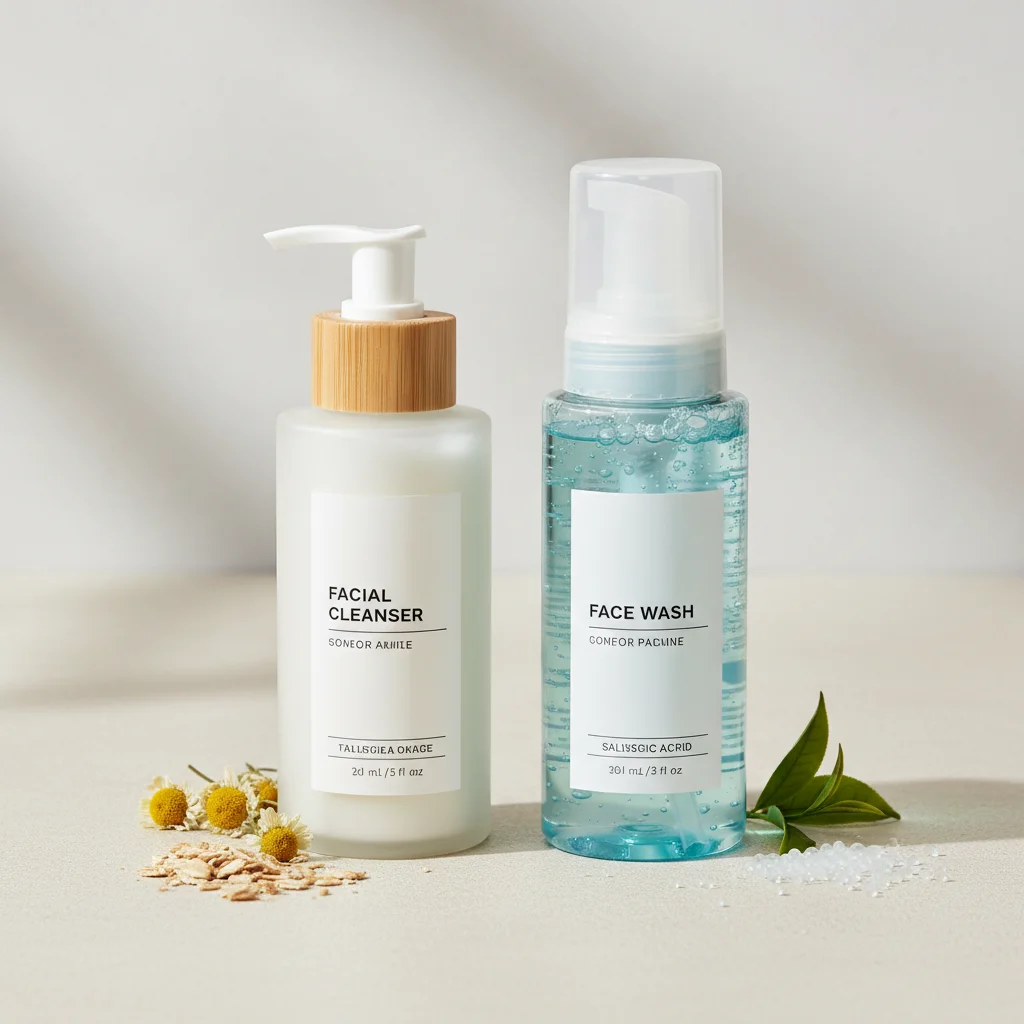
Facial cleansers are generally milder, creamier, or oil-based formulations designed to gently remove impurities without stripping the skin, whereas face washes are typically gel or foam-based, offering a more vigorous cleanse often with a sudsing action. The primary distinction lies in their texture, cleansing mechanism, and the skin types they are best suited for. Understanding these differences is crucial for selecting the right product to maintain healthy skin.
Formulation and Texture: Beyond the Lather
The most immediate difference between a facial cleanser and a face wash is their texture and how they interact with water. Facial cleansers often come in cream, lotion, oil, or balm forms. These formulations are designed to emulsify dirt, oil, and makeup, making them easy to rinse away without creating a significant lather. Their gentle nature is particularly beneficial for dry, sensitive, or mature skin, as they help preserve the skin’s natural moisture barrier. According to dermatology guidance, maintaining the skin’s lipid barrier is paramount for overall skin health, and gentler cleansers contribute significantly to this.
Cleansing Mechanism: Gentle vs. Deep Clean
Face washes, on the other hand, are typically gel or foaming liquids that produce a rich lather when mixed with water. This sudsing action is often associated with a deeper clean, effectively removing excess oil, sweat, and environmental pollutants. They are generally preferred by individuals with oily, combination, or acne-prone skin, as the foaming action can help to degrease the skin and clear pores more effectively. While effective, some face washes can be more stripping if they contain harsh surfactants, potentially leading to dryness or irritation for sensitive skin types.
Targeted Skin Concerns: Matching Product to Need
|
Our Picks for the Best Facial Cleanser in 2026
As an Amazon Associate I earn from qualifying purchases.
|
||
| Num | Product | Action |
|---|---|---|
| 1 | CeraVe Renewing Salicylic Acid Cleanser, Formulated With Hyaluronic Acid, Niacinamide, & Ceramides, Gentle BHA Exfoliating Face Wash Smooths & Softens Skin, Non Comedogenic & Fragrance Free, 16 Ounce |

|
| 2 | medicube Facial Cleanser Zero Pore Capsule Cleansing Foam - Daily Gentle Cleanser for Skin Texture, Blackhead & Pore Care - AHA, BHA & PHA for Deep Cleansing - Korean Skincare, 4.23 oz |
|
| 3 | SkinSmart Antimicrobial Facial Cleanser for Breakouts & Blemishes; Hypochlorous Acid Formula Targets Bacteria to Reduce Skin Irritation and Flush Pores Clean, 8 oz Spray, All Ages & All Skin Types |
|
| 4 | Cetaphil Face Wash, Daily Facial Cleanser for Sensitive, Combination to Oily Skin, 20 oz, Gentle Foaming, Soap Free, Hypoallergenic |
|
| 5 | Cetaphil Face Wash, Hydrating Gentle Skin Cleanser for Dry to Normal Sensitive Skin, 20 oz, Fragrance Free, Soap Free and Non-Foaming |
|
| 6 | CeraVe Acne Treatment Face Wash, Salicylic Acid Cleanser with Purifying Clay, Niacinamide, and Ceramides, Pore Control and Blackhead Remover, 8 Ounce |
|
| 7 | Olay Face Wash, Daily Facial Cleanser with Retinol, Peptides & Glycerin - Smoothing, Noursihes Skin Surface, Hydrates while Cleansing - Sulfate-Free, Paraben-Free, 16 Oz |
|
| 8 | CeraVe Renewing Salicylic Acid Cleanser, Formulated With Hyaluronic Acid, Niacinamide, & Ceramides, Gentle BHA Exfoliating Face Wash Smooths & Softens Skin, Non Comedogenic & Fragrance Free, 8 Ounce |
|
| 9 | Neutrogena Makeup Remover Wipes Micellar Alcohol-Free Face Towelettes Remove Waterproof Mascara & Oil, Compostable 100% Plant-Based Cloth, Dermatologist & Ophthalmologist Tested, Twin Pack 2 x 25 ct |
|
| 10 | Veea Face by Dr. Suzan Obagi - Hydrating Creme Cleanser - Ultra-Hydrating, Cleansing, Nourishing - Skin Barrier Support without Stripping or Drying the Skin (5 fl oz - 150 ml) |
|
Choosing between a facial cleanser and a face wash largely depends on your specific skin type and concerns. For those with dry, sensitive, or compromised skin barriers, a hydrating facial cleanser is often recommended to avoid exacerbating dryness or irritation. These cleansers often contain emollients and humectants like glycerin or hyaluronic acid. Conversely, individuals struggling with excessive oiliness, frequent breakouts, or a feeling of residue after using milder products might find a face wash more effective in achieving a fresh, clean feel. It’s not uncommon for individuals to use both, perhaps a face wash in the morning and a cleanser at night to remove makeup.
Ingredients and Their Impact
The ingredient profiles also differ. Facial cleansers often feature nourishing ingredients such as ceramides, fatty acids, and botanical oils, which support skin barrier function. Face washes frequently incorporate ingredients like salicylic acid, glycolic acid, or benzoyl peroxide for exfoliation or acne treatment, or stronger surfactants to cut through oil. Always check the ingredient list to ensure it aligns with your skin’s needs and avoid potential irritants. For instance, sulfates, while effective at creating lather, can be drying for some skin types.
Application and Routine Integration
The application method can also vary slightly. Facial cleansers, especially balms or oils, are often massaged onto dry skin first to dissolve makeup and impurities, then emulsified with water before rinsing. Face washes are typically applied to damp skin, lathered, and then rinsed. Both should be followed by a toner, serum, and moisturizer to complete a comprehensive skincare routine. According to recent studies, consistent cleansing, regardless of the product type, is a foundational step in preventing pore congestion and maintaining skin clarity.
- Cream Cleansers: Ideal for dry and sensitive skin, offering hydration.
- Oil Cleansers: Excellent for dissolving makeup and impurities without stripping.
- Gel Washes: Best for oily and combination skin, providing a refreshing feel.
- Foaming Washes: Effective for deep cleansing and removing excess sebum.
- Balm Cleansers: A luxurious option for makeup removal and nourishing the skin.
Build a cleanser routine that actually works
Practical specs, not advice. Unsubscribe anytime.