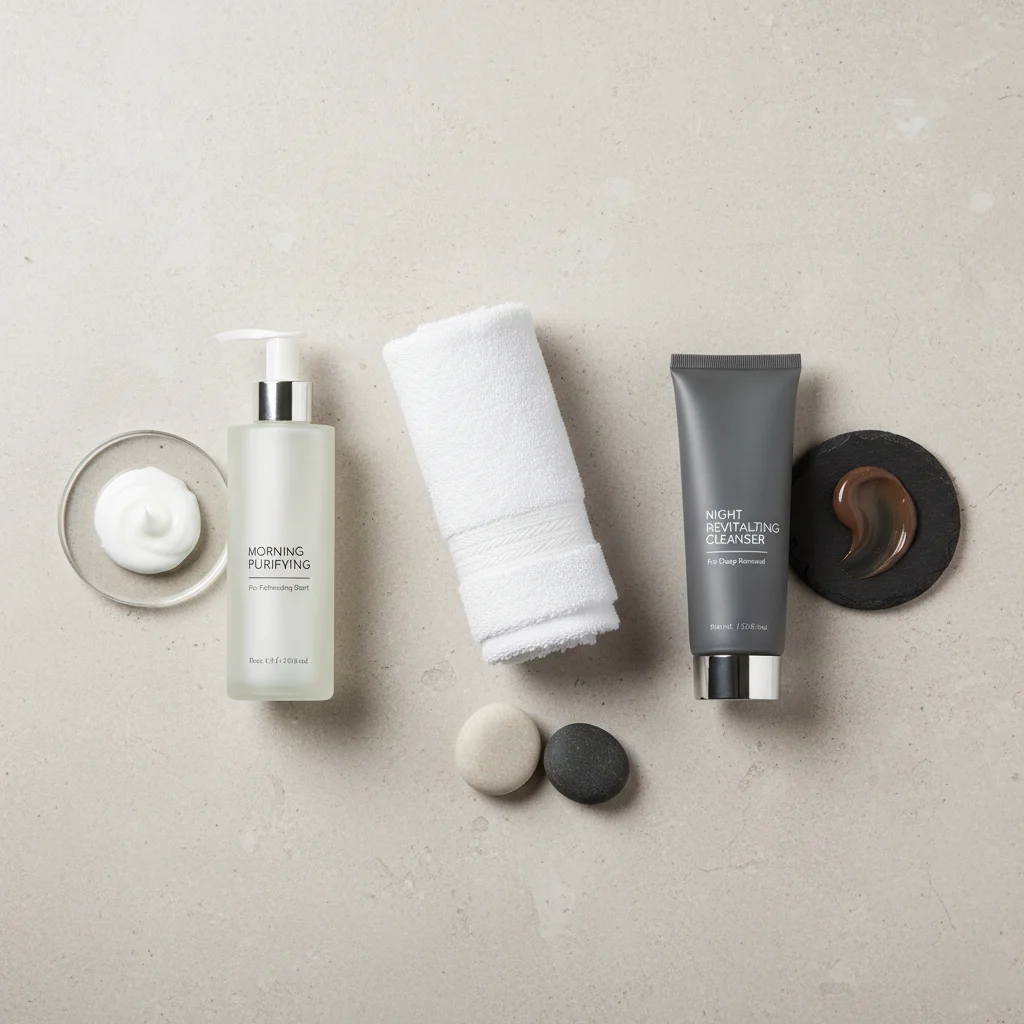
Yes, you should use a facial cleanser twice daily, both in the morning and at night, for optimal skin health and cleanliness. This consistent routine helps remove impurities, excess oil, and makeup, preparing your skin for subsequent skincare steps. Adhering to a twice-daily cleansing regimen is a cornerstone of effective skincare, ensuring your complexion remains fresh and clear.
Why Morning Cleansing is Essential
Even after a night’s sleep, your skin accumulates oils, sweat, and dead skin cells. A gentle morning cleanse removes these overnight accumulations, creating a clean canvas for your daytime serums, moisturizers, and SPF. According to dermatology guidance, skipping morning cleansing can lead to clogged pores and diminish the effectiveness of your morning skincare products, as they won’t be able to penetrate a layer of overnight debris. It also refreshes your skin, making it feel more awake and ready for the day ahead.
The Critical Role of Nighttime Cleansing
Nighttime cleansing is arguably the most crucial step in your daily routine. Throughout the day, your skin is exposed to environmental pollutants, dirt, makeup, and excess sebum. Failing to remove these before bed can lead to significant skin issues, including breakouts, dullness, and premature aging. A thorough nighttime cleanse allows your skin to breathe and repair itself overnight, maximizing the benefits of your evening treatments.This step is non-negotiable for maintaining clear and healthy skin.
Choosing the Right Cleanser for Your Skin Type
|
Our Picks for the Best Facial Cleanser in 2026
As an Amazon Associate I earn from qualifying purchases.
|
||
| Num | Product | Action |
|---|---|---|
| 1 | CeraVe Acne Treatment Face Wash, Salicylic Acid Cleanser with Purifying Clay, Niacinamide, and Ceramides, Pore Control and Blackhead Remover, 8 Ounce |

|
| 2 | SkinSmart Antimicrobial Facial Cleanser for Breakouts & Blemishes; Hypochlorous Acid Formula Targets Bacteria to Reduce Skin Irritation and Flush Pores Clean, 8 oz Spray, All Ages & All Skin Types |
|
| 3 | Neutrogena Makeup Remover Wipes Micellar Alcohol-Free Face Towelettes Remove Waterproof Mascara & Oil, Compostable 100% Plant-Based Cloth, Dermatologist & Ophthalmologist Tested, Twin Pack 2 x 25 ct |
|
| 4 | Cetaphil Face Wash, Hydrating Gentle Skin Cleanser for Dry to Normal Sensitive Skin, 20 oz, Fragrance Free, Soap Free and Non-Foaming |
|
| 5 | Olay Face Wash, Daily Facial Cleanser with Retinol, Peptides & Glycerin - Smoothing, Noursihes Skin Surface, Hydrates while Cleansing - Sulfate-Free, Paraben-Free, 16 Oz |
|
| 6 | Cetaphil Face Wash, Daily Facial Cleanser for Sensitive, Combination to Oily Skin, 20 oz, Gentle Foaming, Soap Free, Hypoallergenic |
|
| 7 | CeraVe Renewing Salicylic Acid Cleanser, Formulated With Hyaluronic Acid, Niacinamide, & Ceramides, Gentle BHA Exfoliating Face Wash Smooths & Softens Skin, Non Comedogenic & Fragrance Free, 16 Ounce |
|
| 8 | Veea Face by Dr. Suzan Obagi - Hydrating Creme Cleanser - Ultra-Hydrating, Cleansing, Nourishing - Skin Barrier Support without Stripping or Drying the Skin (5 fl oz - 150 ml) |
|
| 9 | medicube Facial Cleanser Zero Pore Capsule Cleansing Foam - Daily Gentle Cleanser for Skin Texture, Blackhead & Pore Care - AHA, BHA & PHA for Deep Cleansing - Korean Skincare, 4.23 oz |
|
| 10 | CeraVe Renewing Salicylic Acid Cleanser, Formulated With Hyaluronic Acid, Niacinamide, & Ceramides, Gentle BHA Exfoliating Face Wash Smooths & Softens Skin, Non Comedogenic & Fragrance Free, 8 Ounce |
|
Selecting a facial cleanser tailored to your specific skin type is vital for effective and gentle cleansing. For oily or acne-prone skin, a foaming or gel cleanser with salicylic acid can help control oil and prevent breakouts. Dry or sensitive skin benefits from creamy, hydrating cleansers that don’t strip natural oils. Combination skin may require a balanced approach, perhaps a gentle foaming cleanser. Normal skin types have more flexibility but should still opt for products that maintain the skin’s natural balance. Always consider your skin’s current condition and adjust your cleanser as needed.
The Impact of Over-Cleansing and Under-Cleansing
While twice-daily cleansing is recommended, it’s important to avoid over-cleansing, which can strip your skin of its natural oils, leading to dryness, irritation, and even increased oil production as your skin tries to compensate. Conversely, under-cleansing, or not cleansing enough, allows impurities to build up, resulting in clogged pores, breakouts, and a dull complexion. Finding the right balance with a suitable cleanser and proper technique is key. According to dermatology guidance, using lukewarm water and gentle circular motions is more effective than hot water or harsh scrubbing.
Tips for an Effective Cleansing Routine
To ensure your cleansing routine is as effective as possible, consider these tips:
- Always wash your hands before touching your face to avoid transferring bacteria.
- Use lukewarm water, as hot water can strip natural oils and cold water may not effectively open pores.
- Gently massage the cleanser into your skin for at least 30-60 seconds to allow it to work.
- Rinse thoroughly until all traces of cleanser are gone.
- Pat your face dry with a clean, soft towel instead of rubbing.
Following these steps will enhance the benefits of your chosen cleanser.Remember, consistency is more important than intensity when it comes to facial cleansing.
Build a cleanser routine that actually works
Practical specs, not advice. Unsubscribe anytime.